
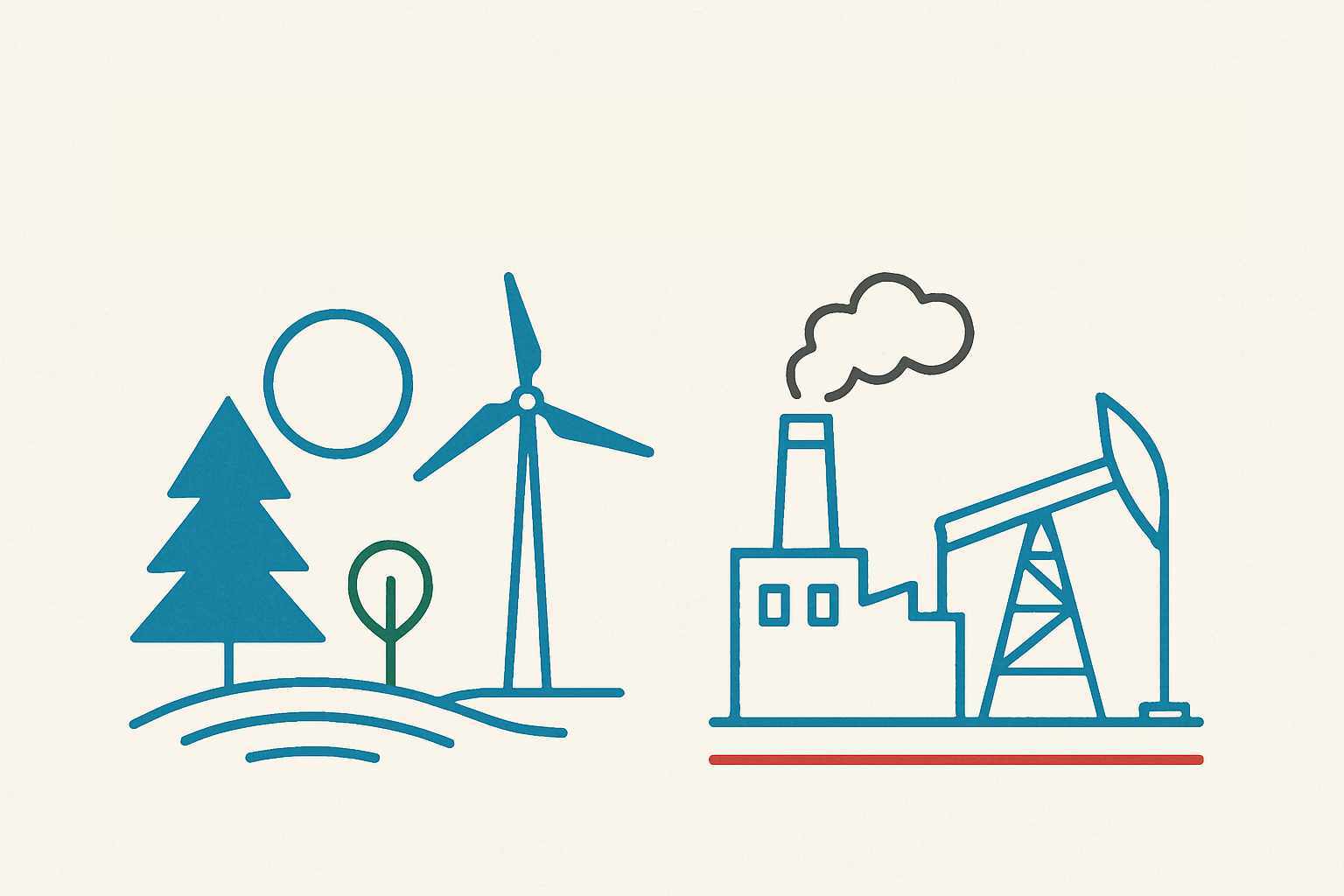
Cleantech and climate tech in Canada are no longer niche categories driven by policy alone. In 2026, they are capital-intensive, execution-heavy businesses shaped by regional strengths, industrial buyers, and access to pilots. Nowhere is this more visible than in Vancouver and Calgary, two cities that approach climate innovation from very different starting points but increasingly complementary positions.
Founders who understand this regional split raise capital faster, design better pilots, and avoid misalignment with both investors and customers.
Why Vancouver and Calgary Matter Disproportionately
Canada’s climate ecosystem clusters where real-world constraints exist. Vancouver excels at sustainability-driven innovation shaped by regulation, global markets, and environmental stewardship. Calgary excels at applied climate solutions shaped by energy systems, infrastructure, and industrial scale. Both cities attract funding, but for different reasons.
Treating them as interchangeable markets is a common founder mistake.
Vancouver: Sustainability, Policy Alignment, and Global Markets
Vancouver’s cleantech ecosystem is strongly oriented toward sustainability-led innovation. Startups here often focus on carbon reduction, clean mobility, circular economy models, and climate-focused software layered onto existing industries. Regulatory awareness and global relevance matter early.
Funding in Vancouver tends to reward founders who can connect environmental impact to commercial logic. Investors look for clarity on how sustainability translates into defensible revenue, not just positive outcomes. Many programs and funds are designed to help startups validate demand in international markets, particularly in Asia-Pacific and Europe.
Accelerators and incubators in the region emphasize early customer discovery, lifecycle analysis, and market validation. Vancouver is especially strong for founders building climate solutions that benefit from policy tailwinds and global adoption rather than heavy physical deployment.
Calgary: Applied Climate Tech and Industrial Deployment
Calgary’s climate tech ecosystem is grounded in applied innovation. The city’s strength lies in translating climate ambition into systems that work inside energy, utilities, logistics, and heavy industry. This includes emissions reduction technologies, carbon capture, energy optimization, and infrastructure software.
Funding here is closely tied to pilots and real-world use cases. Investors and programs expect founders to demonstrate how solutions perform under operational constraints. Access to industrial partners, test sites, and applied non-dilutive funding makes Calgary particularly attractive for climate startups that need deployment environments rather than just validation.
Calgary rewards pragmatism. Solutions that reduce costs, improve efficiency, or mitigate risk tend to gain traction faster than those framed purely around impact.
Funding Landscape: Venture, Government, and Hybrid Capital
Cleantech and climate tech in Canada rely on a blended capital stack. Venture capital plays a role, but it is rarely sufficient on its own. Founders often combine VC with government programs, provincial incentives, and project-based funding to manage capital intensity.
Vancouver-based startups often lean more heavily on sustainability-focused funds and international investors. Calgary-based startups frequently combine venture capital with non-dilutive funding tied to pilots, R&D, and industrial partnerships. Understanding how these stacks differ is critical to planning runway and fundraising timelines.
Programs that support climate innovation increasingly favor milestone-driven funding rather than open-ended grants. Founders should be prepared to articulate not just impact, but execution logic.
Resources That Actually Move the Needle
Across both cities, the most valuable resources are those that reduce execution risk. This includes access to pilot customers, domain experts, and funding programs aligned with deployment rather than theory. Accelerators and incubators matter when they connect founders to buyers or validation environments, not just mentorship.
Founders should prioritize programs that help answer one hard question at a time: does this solution work in the real world, and will someone pay for it?
Choosing the Right City for Your Climate Startup
Vancouver is often the right entry point for climate startups driven by sustainability narratives, policy alignment, and global markets. Calgary is often the right environment for startups driven by applied deployment, industrial buyers, and infrastructure-scale impact.
Many successful companies use both. They validate sustainability demand in Vancouver, then prove operational viability through Calgary-based pilots. This is not fragmentation. It is strategy.
Final Perspective
Canada’s cleantech and climate tech opportunity is not concentrated in one city. It is distributed across regions that solve different parts of the problem. Vancouver and Calgary represent two ends of the same value chain: vision and deployment.
Founders who align their technology, funding strategy, and city ecosystem early build companies that are easier to fund, easier to pilot, and harder to dismiss.
Disclaimer
This content is for general informational purposes only and is not legal, financial, or technical advice. External resources are provided without warranty or endorsement, and outcomes will vary based on each founder’s specific context, strategy, and execution.
ShoutEx Insights
- Canadian Startup Ecosystem: Ultimate Guide 2026
- Vancouver's Startup Ecosystem: BC's Tech Innovation Leader
- Calgary's Startup Ecosystem: Alberta's Energy and Tech Hub
- Edmonton's Startup Ecosystem: Alberta Innovation Center
- Toronto's Startup Ecosystem: Canada's Tech Capital
- Canadian Government Grants and Startup Funding
- How to Raise Seed Funding in Canada
- IRAP and SR&ED: Government Funding Options for Canadian Startups
- Canadian VC Guide for Founders
Further Readings:
- Hiring Trends in Canada
- Sustainable Development Technology Canada (SDTC)
- Emissions Reduction Alberta: CleanTech Funding
- Innovate BC: CleanBC Programs
- BDC: Cleantech Practice
- MaRS Cleantech: Innovation Support
- Cycle Capital: Climate Tech VC
- Evok Innovations: Energy Transition Investment
- Natural Resources Canada: Clean Technology Programs
Last updated by the Team at ShoutEx on January 19, 2026.
Frequently Asked Questions
How should climate founders choose between Vancouver and Calgary?
Vancouver is better for climate startups driven by sustainability narratives, policy alignment, and global market access, while Calgary is better for deployment-heavy solutions that must work inside energy, utilities, and industrial systems. Founders should map their primary buyer type and deployment needs to the city that already optimizes for those conditions.
Can a cleantech startup realistically use both cities?
Yes, many teams validate sustainability demand and global positioning in Vancouver, then run industrial pilots and large-scale deployments out of Calgary. This sequencing turns regional specialization into an asset instead of a fragmentation problem.
What type of funding mix should founders expect?
Most Canadian climate startups combine venture capital with government programs, provincial incentives, and project-based or pilot-linked funding to handle capital intensity. Calgary companies often lean more on non-dilutive, deployment-tied capital, while Vancouver companies lean more on sustainability-focused and international investors.
Does policy still matter for climate innovation in 2026?
Policy remains a key tailwind, especially in Vancouver, but investors now expect clear execution logic, pilots, and revenue paths rather than impact narratives alone. Programs increasingly release funding against milestones, so founders must show progress from validation to deployment.
What should founders prioritize when choosing accelerators or programs?
The most valuable programs are those that connect startups directly to pilot customers, domain experts, and credible deployment environments, not just generic mentorship. Founders should ask whether a program helps answer one specific hard question—like “will this work in a real facility?”—within a defined timeframe.