
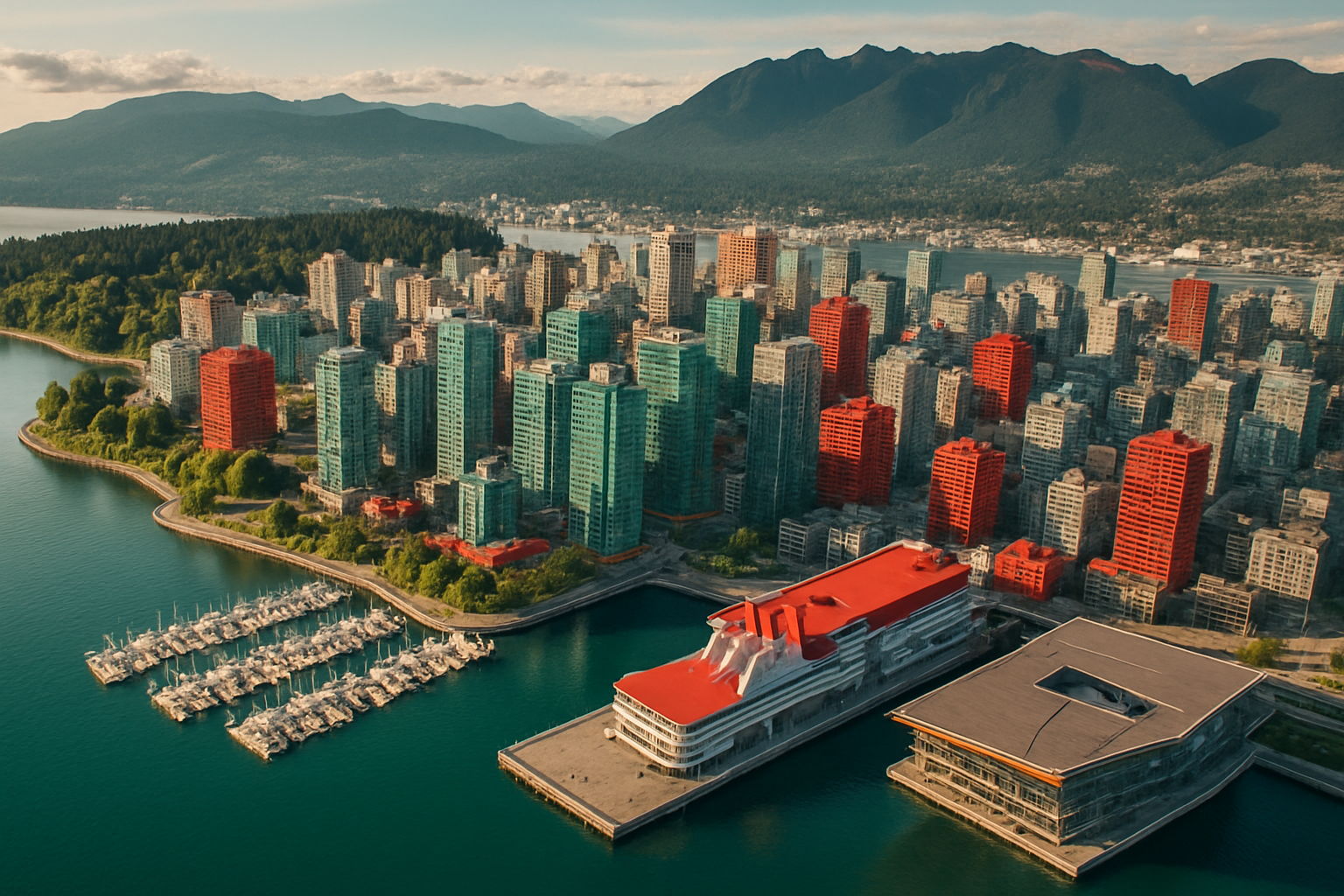
Vancouver operates as Western Canada's tech hub with a startup ecosystem shaped by Asia-Pacific connectivity, cleantech leadership, gaming industry dominance, and quality of life that attracts global talent. It's Canada's most expensive city but offers distinct advantages for founders building in specific domains and targeting international markets.
This article is for founders evaluating Vancouver as a potential base, investors assessing West Coast opportunities, and anyone trying to understand how geographic positioning and industry concentration shape regional ecosystems. We'll cover the infrastructure, the real advantages, the cost challenges, and who benefits most from building here.
What Makes Vancouver Different
Vancouver's ecosystem reflects its position as Canada's gateway to Asia and its strength in creative industries.
Asia-Pacific connectivity is unmatched in Canada. Vancouver sits in the Pacific time zone with direct flights to major Asian cities and significant Asian diaspora populations. According to Statistics Canada data, over 45% of Vancouver's population identifies as Asian, creating cultural connections and business networks into China, India, Japan, and Southeast Asian markets that Eastern Canadian cities lack.
Gaming industry is globally significant. Electronic Arts, Microsoft (343 Industries), Sony, and numerous independent studios employ over 10,000 people in game development. According to Entertainment Software Association of Canada data, British Columbia accounts for approximately 25% of Canadian game development employment, with Vancouver as the center. This creates deep expertise in graphics, real-time systems, and creative technology.
Cleantech leadership is established. Vancouver's environmental culture, hydroelectric power, and government support create concentration in clean technology. Companies building in carbon tech, renewable energy, sustainable materials, and environmental monitoring find ecosystem support here. Research from the BC Cleantech Alliance shows British Columbia cleantech companies raised over $600 million in 2024.
Film and visual effects industry provides talent. Vancouver operates as "Hollywood North" with major film production and VFX studios. This creates pools of 3D artists, animators, and creative technologists who cross over into tech startups.
University research is strong. University of British Columbia (UBC) and Simon Fraser University produce significant research in computer science, engineering, and life sciences. UBC's proximity to Vancouver creates talent pipeline and research partnerships.
Real Advantages for Startups
Asia market access is direct. If you're targeting Chinese, Japanese, Korean, or Southeast Asian markets, Vancouver's time zone, cultural connections, and flight accessibility create advantages. Business development, customer support, and partnership building happen more efficiently than from Toronto or Eastern hubs.
Gaming and creative talent is exceptional. If you're building games, VR/AR applications, creative tools, or products requiring high-end graphics and design, Vancouver's talent concentration rivals anywhere globally. Engineers who've shipped AAA titles bring production expertise that accelerates development.
Cleantech ecosystem provides infrastructure. If you're building sustainable technology, Vancouver offers research partnerships, testing facilities, government grants, and investor networks specifically focused on climate solutions. The cultural alignment with environmental values makes recruitment and partnership building easier.
Quality of life attracts global talent. Vancouver consistently ranks among the world's most livable cities. Ocean access, mountains, mild climate, and outdoor recreation help recruit talent from anywhere globally. Retention benefits from lifestyle quality despite cost of living challenges.
Immigration pathways work well. British Columbia's Provincial Nominee Program and federal immigration programs make bringing in international talent more straightforward than US visa processes. For companies hiring globally, this reduces friction significantly.
Severe Cost Challenges
Operating expenses are extreme. Vancouver ranks as Canada's most expensive city and among the most expensive in North America. Office space costs rival San Francisco. According to CBRE's 2025 office market report, Vancouver's prime office space costs exceed Toronto by 15-20%.
Housing affordability is crisis-level. Average home prices exceed $1.2 million. Even tech salaries struggle to cover housing costs. This creates retention challenges as employees leave for more affordable cities or remote opportunities. Canada Mortgage and Housing Corporation data shows Vancouver has the worst housing affordability among major Canadian cities.
Salaries must compete with US remote opportunities. Vancouver's proximity to Seattle and Silicon Valley creates direct compensation pressure. Local companies must offer equity packages and total compensation approaching US levels while operating with Canadian revenue and funding.
Runway burns faster than anywhere else in Canada. The same seed capital that funds 18 months in Halifax or London funds 10-12 months in Vancouver. This forces faster revenue generation or more frequent fundraising. For insights on managing burn rate effectively, this analysis of financial sustainability explores runway optimization.
Cost of living affects team morale. Even well-compensated employees face financial stress. This creates retention challenges and limits your ability to attract talent from less expensive markets.
What's Changed in 2026
Remote work normalized distributed teams. Vancouver companies now hire globally while maintaining local headquarters. This addresses cost pressure by allowing employees to live in more affordable locations while working for Vancouver-based companies.
Climate tech investment surged. Government incentives, private capital, and corporate commitments to sustainability are driving significant investment into cleantech. Vancouver's existing ecosystem strength positioned it well for this capital influx.
Gaming industry consolidated. While still strong, multiple studios have closed or downsized. This created talent availability but also reduced the ecosystem's stability. The pattern mirrors broader gaming industry challenges globally.
Asia-Pacific trade relationships evolved. Geopolitical tensions and shifting trade patterns changed how Vancouver companies access Asian markets. Some opportunities expanded while others became more complex to navigate.
Tech talent exodus continued. High costs and remote work options drove experienced professionals to leave Vancouver while working remotely for US or Toronto companies. This created talent retention challenges for local startups.
Who Should Build in Vancouver
Gaming and entertainment technology companies. If you're building games, game engines, VR/AR experiences, or entertainment technology, Vancouver's talent concentration and production expertise create clear advantages despite costs.
Cleantech and climate technology startups. If you're building carbon capture, renewable energy systems, sustainable materials, or environmental monitoring, Vancouver's ecosystem focus, research partnerships, and cultural alignment justify location.
Companies targeting Asia-Pacific markets. If your expansion strategy focuses on China, Japan, Southeast Asia, or broader Asia markets, Vancouver's connectivity, cultural networks, and time zone create infrastructure that Eastern Canadian cities lack.
Well-funded startups with global ambitions. If you've raised significant capital and can absorb Vancouver's costs while leveraging its international connectivity and talent quality, the location works strategically.
Visual effects and creative technology companies. If you're building tools for film, animation, or creative industries, Vancouver's VFX talent and production infrastructure provide ecosystem advantages.
Who Should Consider Alternatives
Bootstrapped founders optimizing runway. If you're building without venture capital or stretching seed funding, Vancouver's costs make profitability extremely difficult to reach. Calgary, Montreal, or smaller cities provide better economics.
Enterprise B2B software targeting Canadian corporations. If your customers are major Canadian banks, insurance companies, or national retailers, Toronto's corporate concentration matters more than Vancouver's advantages.
Early-stage teams figuring out product-market fit. If you're pre-revenue and testing hypotheses, Vancouver's high burn rate reduces experimentation capacity. Lower-cost cities extend learning runway.
Companies requiring specialized talent outside gaming/creative. If you need deep expertise in fintech, enterprise software, or domains where Vancouver doesn't have concentration, Toronto or other hubs provide better access.
Teams prioritizing affordability and work-life balance. If employee financial wellness matters more than international connectivity, cities with better housing affordability provide better quality of life despite Vancouver's natural beauty.
The Vancouver Calculation
Deciding whether to build in Vancouver requires brutally honest assessment of whether location-specific advantages justify extreme costs.
Vancouver excels at gaming, cleantech, Asia-Pacific connectivity, and attracting global creative talent. If your product serves these markets or requires these specific capabilities, Vancouver provides infrastructure few cities match.
Vancouver also imposes the highest costs in Canada. Every dollar of capital burns faster here than anywhere else domestically. This forces acceleration that can create pressure or momentum depending on execution capability.
For companies in gaming, cleantech, or targeting Asia markets, Vancouver's advantages can justify costs—but only if you're well-funded and executing efficiently. For most other startups, alternative locations provide better economics without sacrificing access to Canadian markets.
Understanding how to build sustainable growth models becomes critical when operating in high-cost environments. Similarly, knowing when to expand into new markets strategically helps justify Vancouver's costs through international revenue that offsets operational expenses.
The question for founders isn't whether Vancouver is beautiful or livable—it clearly is. The question is whether your specific business model generates enough value from Vancouver's unique advantages to justify paying 40-50% more than you'd pay elsewhere in Canada.
For some companies, the answer is yes. For most, it's no.
ShoutEx Insights
- Canadian Startup Ecosystem: Ultimate Guide 2026
- Victoria's Startup Ecosystem: Vancouver Island Tech Hub
- Kelowna's Startup Ecosystem: Okanagan Tech Growth
- Gaming and Creative Tech in Canada: Montreal and Vancouver
- Cleantech and Climate Tech Startups in Canada: Funding and Resources
- Canada's AI Startup Ecosystem: Leading Innovation
- How to Raise Seed Funding in Canada
- Tech Talent by Canadian City: Regional Analysis
- Complete Guide to Canadian Startup Accelerators and Incubators
Further Readings:
- Hiring Trends in British Columbia
- Hiring Trends in Canada
- Job Search Strategy 2026: How to Stop Wasting Effort and Start Getting Interviews
- Innovate BC: Provincial Innovation Agency
- Vancouver Economic Commission: Business Support
- Launch Academy: Vancouver Startup Hub
- BC Tech Association: Industry Leadership
- University of British Columbia: Research and Innovation
- Simon Fraser University: Innovation and Entrepreneurship
- BDC: Business Development Bank of Canada
- Statistics Canada: Metro Vancouver Economic Data
Last updated by the Team at ShoutEx on January 19, 2026.